The "Busy Brain" Trap: Why We Struggle to Switch Off
In modern professional life, the workday rarely stops when you leave your desk. Commuting home through Saharanpur Road or Rajpur Road traffic, replying to late emails on WhatsApp, and mentally reviewing tomorrow's deadlines keep your nervous system locked in high gear.
When the body stays trapped in chronic sympathetic activation ("fight or flight"), cortisol levels remain elevated. Over time, this leads to tension headaches, clenched jaws, shallow breathing, irritability, and disturbed sleep. True relaxation doesn't happen accidentally—it requires small, deliberate rituals that signal your brain that the workday is officially over.
Habit 1: 5-Minute Diaphragmatic Box Breathing
The fastest way to shift your physiological state is through conscious respiration. When stressed, we breathe rapidly and shallowly into our upper chest. Diaphragmatic breathing (belly breathing) directly stimulates the vagus nerve, which slows heart rate and lowers blood pressure.
Try the 4-4-4-4 "Box Breathing" method as soon as you arrive home:
- Inhale slowly through your nose for 4 seconds, feeling your lower belly expand.
- Hold your breath gently for 4 seconds.
- Exhale slowly through your mouth for 4 seconds.
- Pause and hold on empty for 4 seconds.
Repeating this simple cycle for just five minutes visibly calms a racing mind.
Habit 2: Targeted Desk & Shoulder Stretches
Sitting hunched over a laptop or steering wheel for 8 hours shortens your pectoral chest muscles and overstretches your upper back, resulting in the dreaded "tech neck." Before settling onto the couch, spend 7 to 10 minutes performing these gentle stretches:
- Neck Rolls & Trapezius Stretch: Gently tilt your right ear toward your right shoulder for 20 seconds, feeling the left side of your neck lengthen. Repeat on the opposite side.
- Doorway Chest Opener: Place your forearms on either side of a doorframe and step forward gently until you feel an expansive stretch across your chest.
- Child's Pose (Balasana): Kneel on a soft rug or yoga mat, sit back onto your heels, and extend your arms forward on the floor. Rest your forehead down and breathe deeply for 2 minutes to decompress your lumbar spine.
Habit 3: The Evening Digital Sunset
The blue light emitted by smartphones, tablets, and laptops suppresses melatonin—the natural hormone that tells your body it is time to sleep. Worse, reading work messages at 9 PM triggers fresh adrenaline surges.
Set a strict "digital sunset" rule: put your phone on 'Do Not Disturb' at least one hour before bed. Instead of scrolling through social media, switch to a printed book, soothing instrumental music, or quiet conversation with family.
Habit 4: Warm Epsom Salt Foot Soak
Your feet carry your entire body weight all day, enduring cramped shoes and thousands of steps. A warm foot soak is an ancient, deeply therapeutic remedy that is easy to do in any home.
Fill a small tub with warm water and add half a cup of Epsom salts (magnesium sulphate) and two drops of lavender oil. Soak your feet for 15 to 20 minutes. Magnesium absorbed through the skin relaxes muscle contractions, softens tired soles, and produces an immediate wave of whole-body drowsiness.
Habit 5: The Calming Herbal Tea Ritual
Caffeine consumed after 3 PM can linger in your bloodstream for up to 8 hours, disrupting slow-wave sleep. Replace late-evening coffee or milk tea with non-caffeinated herbal infusions:
- Chamomile: Renowned for its natural apigenin flavonoid, which binds to brain receptors that promote tranquility.
- Tulsi (Holy Basil): An Ayurvedic adaptogen that supports the body's natural response to emotional and physical strain.
- Peppermint or Ginger: Eases post-dinner digestion and soothes bloating.
Sip slowly without screens in a quiet corner of your room.
Habit 6: Mindful Evening Walk in Fresh Air
Dehradun is blessed with cooler evening valley breezes. A gentle 15-minute stroll around your neighborhood or terrace—without headphones—lets your eyes adjust to natural ambient twilight, synchronizing your circadian rhythm. Focus your attention on the cool air against your face and the rhythmic sound of your footsteps.
Habit 7: Monthly Professional Massage Reset
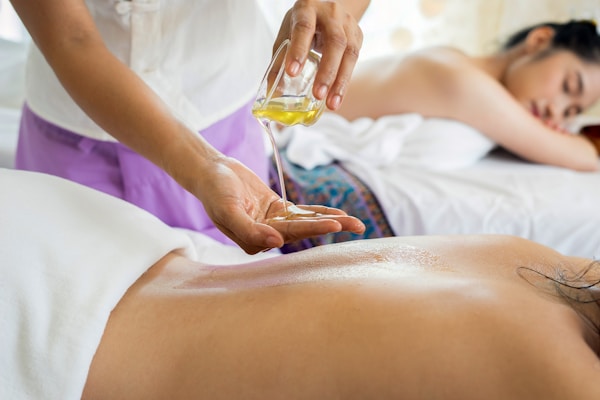
While daily home habits manage baseline fatigue, daily stress inevitably builds up into stubborn muscle knots and deep fascia stiffness that home stretches cannot untangle. Incorporating a regular professional massage into your monthly self-care calendar acts as a vital bodily reset.
A 60- or 90-minute Swedish Massage or Aromatherapy session at GirlsSpaDehradun melts away deep-seated tensions, flushes metabolic wastes from muscle tissues, and provides two hours of uninterrupted sensory calm. If you have chronic neck or lower back tightness from sitting, consider alternating with a targeted Deep Tissue Massage or warm Hot Stone Therapy. Read our detailed guide on different types of massage and their benefits to identify the ideal pressure for your body.
Before heading to your session, make sure to read our quick guide on how to prepare for a spa appointment to ensure optimal hydration, pre-treatment meal timing, and comfort.
Habit 8: Consistent, Restorative Sleep Routine
Sleep is the ultimate recovery mechanism. Support your body's restorative sleep cycle with consistent bedtime habits:
- Keep your bedroom cool, dark, and quiet.
- Go to bed and wake up at roughly the same time every day, even on weekends.
- Spray a light mist of pure lavender water onto your pillow.
Sample 45-Minute Post-Work Unwinding Flow
| Time | Activity | Wellness Benefit |
|---|---|---|
| 7:00 – 7:05 PM | Box breathing (4-4-4-4 count) | Calms heart rate and signals safety |
| 7:05 – 7:15 PM | Doorway chest opener & child's pose | Releases desk posture stiffness |
| 7:15 – 7:35 PM | Warm foot soak or shower | Relaxes peripheral nerves & muscles |
| 7:35 – 7:45 PM | Warm chamomile tea & book reading | Promotes natural melatonin production |
Planning your first visit to a wellness centre? Check out our beginner's walkthrough on what to expect during your first spa visit to make your appointment seamless and relaxing. For hygiene-conscious guests, our spa hygiene and safety checklist explains our hospital-grade sanitization protocols.
Frequently Asked Questions (FAQs)
Q1: How can I relax if I only have 10 minutes after work?
Spend 5 minutes practicing diaphragmatic box breathing, followed by 5 minutes lying flat on your back with your legs elevated against a wall (Viparita Karani). Elevating your legs drains pooled venous blood and instantly relieves lower back strain.
Q2: Is watching television or scrolling social media a good way to relax?
While TV or social media feels passive, it actually keeps your brain stimulated with rapid visual cuts, emotional triggers, and blue light. True physiological relaxation requires reducing sensory input rather than consuming more of it.
Q3: Can an evening massage in Dehradun help with chronic insomnia?
Yes. Massage therapy stimulates serotonin and dopamine production while lowering cortisol. Gentle evening sessions (such as Swedish or Aromatherapy) often help guests fall into much deeper, uninterrupted sleep.
Q4: Is it safe to get a massage late in the evening after work?
Yes. Many working professionals in Dehradun prefer late evening appointments so they can head straight home to bed immediately afterward. GirlsSpaDehradun is open 24/7 to accommodate busy executive schedules.
Conclusion
True unwinding is not a luxury reserved for holidays; it is a vital daily practice that preserves your health, energy, and peace of mind. By combining simple evening home rituals with regular therapeutic massage, you can protect yourself from burnout and live with greater vitality.
Explore our wide selection of signature services including Swedish Massage, Deep Tissue, Aromatherapy, Hot Stone Therapy, Body Scrub, and Couple's Packages. Read our tips on choosing the right spa in Dehradun, meet our staff on our About page, or schedule an evening session today on our contact and booking page.